Language :

Is Australia a best choice for Study Abroad?

________________________

The Country

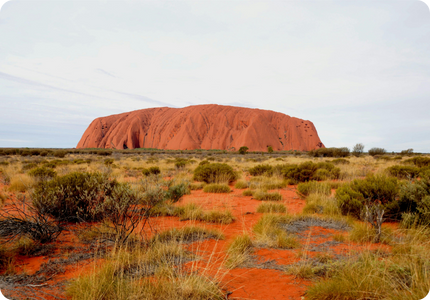
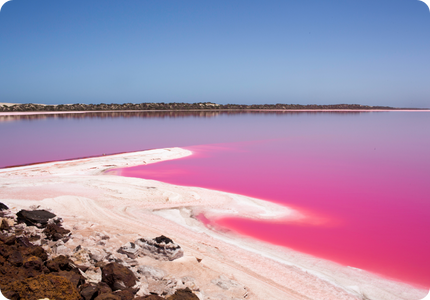
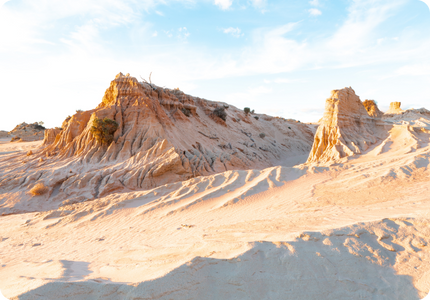
Australia is a natural wonderland of beautiful beaches, crystal blue waters, amazing ancient rock formations and pristine rainforests.

The People

Aboriginal and Torres Strait Islander peoples have lived in Australia for at least 40,000–60,000 years. The rest of the population consists of migrants or their descendants, making Australia a highly multicultural society.

The Climate

Australia is one of the driest countries globally, with a flat, arid interior that’s sparsely populated. In contrast, northern areas like Queensland have a tropical climate, experiencing monsoon rains from January to March.

The Economy

Australia has a strong, open, and competitive market-based economy with stable institutions, providing businesses with certainty and attracting international investment.

Although English is Australia’s national language, certain words and expressions are uniquely Australian and can seem strange or confusing to newcomers.

The 6 Largest Cities

Australia’s major cities vary from established metropolises to rapidly growing centers. Analyzing the development of the 6 largest cities offers insight into their growth and transformation.

The Australian Wines

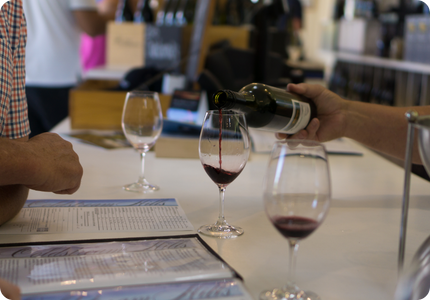
Australian wines are known for their strength in both alcohol content and flavor. They offer an incredible diversity, ranging from sparkling wines produced in chilly climates to powerful red wines.

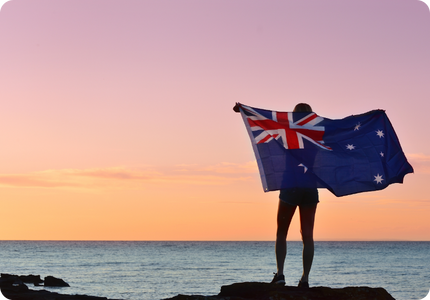
Australia is a must-visit dream destination with stunning nature, top wine regions, and stylish cafés—perfect for every traveler.

The Country : ประเทศ

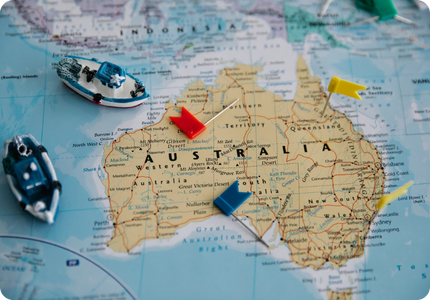
Australia is a natural wonderland of beautiful beaches, crystal blue waters, amazing ancient rock formations and pristine rainforests. Australia is the sixth largest country in the world. It’s about the same size as the 48 mainland states of the USA and 50 per cent larger than Europe, but has the lowest population density in the world – only two people per square kilometre.

Australia’s coastline stretches almost 50,000 kilometres and is linked by over 10,000 beaches, more than any other country in the world. More than 85 per cent of Australians live within 50 kilometres of the coast, making it an integral part of our laid-back lifestyle. 

Australia is the only nation to govern an entire continent and its outlying islands. The mainland is the largest island and the world’s smallest, flattest continent.

Much of Australia’s exotic flora and fauna cannot be found anywhere else in the world and the lifestyle is one second to none.

The People : ประชากร

Australia is one of the most culturally diverse nations in the world, with a rich tapestry of people from a variety of backgrounds. The country’s history begins with its First Nations peoples, the Aboriginal and Torres Strait Islander communities, who have called Australia home for tens of thousands of years—at least 40,000 years and possibly up to 60,000 years.

Following European settlement in 1788, Australia’s population began to grow with an influx of migrants from nearly 200 different countries. By 1945, Australia’s population was about seven million, and since then, more than 6.5 million migrants, including around 675,000 refugees, have settled in the country.

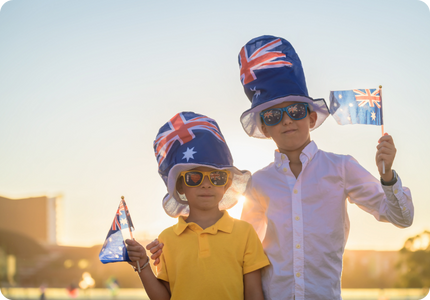
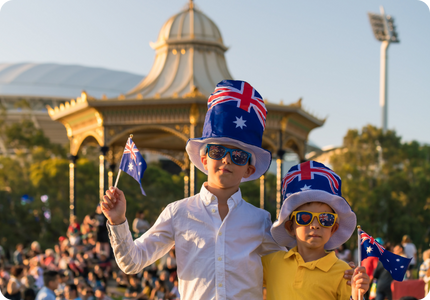
Today, Australia’s population stands at approximately 21 million, with a significant portion—43 percent—comprising individuals who were either born overseas or have at least one parent who was. This diversity is a cornerstone of modern Australian society, where people of various religious, racial, ethnic, and social backgrounds live together peacefully. This multicultural identity is widely celebrated, contributing to the vibrant and inclusive nature of Australian society.


The Climate : ภูมิอากาศ

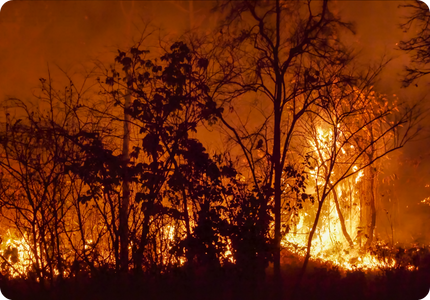
Australia, one of the world’s driest countries, has a diverse climate due to its size. Much of the interior is flat, dry, and sparsely populated, while the north has a tropical climate with monsoon rains from January to March. Climate varies widely, with snow and frost in Tasmania and the alpine southeast, and intense heat in the central west.

Seasons are opposite to those in the northern hemisphere, with summer from December to February and winter from June to August. Temperatures range from mild in the south to over 40°C (104°F) in some inland areas during summer.

Source: <The Department of Immigration and Citizenship publication: Life in Australia


The Economy : เศรษฐกิจ

Australia has a strong market–based economy that is open, flexible and competitive. It has a stable and
modern institutional structure that provides certainty to businesses and a welcoming environment for international investment.

Australia is also a major regional finance centre with reliable domestic and international transport systems,
world–class information and telecommunication technology, a multilingual and highly skilled workforce and a system of regulation. The Australian Stock Exchange is the world’s eighth largest listed exchange measured
by market capitalisation.

Australia is a significant world trader, with its two–way trade in goods and services valued at more than
$400 billion – about 1 per cent of total world trade. Japan is Australia’s largest trading partner, followed by
China, the United States, Singapore, the United Kingdom and the Republic of Korea.


The English : ภาษาอังกฤษ

While English is Australia’s national language, there are certain words and expressions that have become regarded as uniquely Australian through common usage, and some of them might seem strange or confusing to new arrivals. These colloquial or slang words have many different origins. Some are shortened versions of longer words. Many were expressions already used by migrants who came from the north of England but which have since been adopted as Australian words. Australians also often shorten words, for example football becomes ‘footy’, television becomes ‘telly’ and barbecue, ‘barbie’.

The use of some of these words, often coupled with an Australian sense of humour that is characterised by irony and irreverence, can sometimes cause confusion. If you are unsure what an expression means, it is alright to ask the person who said it to explain

Some common expressions you might hear from time to time are:

Arvo: short for afternoon – ‘drop by this arvo’, means please come and visit this afternoon.

Barbecue, BBQ, Barbie: outdoor cooking, usually of meat over a grill or hotplate using gas or coals. The host serves the meat with salads and bread rolls. It is common for a guest, when invited to a BBQ, to ask if they should bring anything. A snag is the raw type of sausage usually cooked at a BBQ. They can be made of pork, beef, chicken, vegetables or grains.

Barrack for: support or cheer for (usually a particular sports team).

Bloke: a man.

Shout: to buy someone a drink. At a bar or a pub when a group of friends meet, it is usual for each person to ‘shout a round’, meaning buying everybody a drink. Each person takes a turn at buying a ‘round’.

BYO: if you receive an invitation that says ‘BYO’, this means bring your own beverages. If you do not drink alcohol, it is acceptable to bring juice, soft drink or soda, or water. Some restaurants are BYO. You can bring your own wine to these, although there is usually a charge for opening bottles, serving and providing and cleaning glasses called ‘corkage’.

Cuppa: is a cup of tea or coffee ‘drop by this arvo for a cuppa’ means please come and visit this afternoon for a cup of tea or coffee.

G’day: Hello. How are you?

Fair go: equitable treatment. This means that what someone achieves in life should be a product of their talents, work and effort rather than an as a result of their birth or favouritism.

Fortnight: this term describes a period of two weeks.

No worries: The task or request will be carried out without fuss or bother.

There are a number of books on Australian colloquialisms and slang, including the Macquarie Dictionary Book of Slang.

Source: The Department of Immigration and Citizenship publication: Life in Australia

The Wine : ไวน์

Australia: A Unique Wine Country

Australia stands out as a world-class wine producer, offering incredible diversity—from cool-climate sparkling wines to bold, sun-drenched reds.

Wine Industry Highlights:

  • Global Rank (2019): 6th in production, 5th in exports

  • History: Began in the 18th century with Governor Phillip in New South Wales

  • Key Grapes:

    • Red: Shiraz, Cabernet Sauvignon, Merlot

    • White: Chardonnay, Sauvignon Blanc, Riesling

  • Top Regions: Barossa Valley (SA), Yarra Valley (VIC), Tasmania

  • Terroir: Mediterranean-like climate ideal for grape growing

  • Diversity: Over 100 grape varieties, including rare ones like Tempranillo & Nero d’Avola

  • Future Focus: Expanding into cooler southern regions to adapt to climate change

What Makes Aussie Wine Special:
Easy-drinking styles to complex, high-quality wines—there’s something for every palate.

Source: Grape to Glass

THE TOP 6 MOST POPULATED CITIES IN AUSTRALIA

Australia’s largest cities—such as Sydney, Melbourne, and Brisbane—are among the most vibrant in the Southern Hemisphere. These urban hubs attract people with diverse job markets, excellent amenities, and a high quality of life, offering valuable insight into the country’s dynamic urban population.

____________

Sydney : ซิดนี่ย์

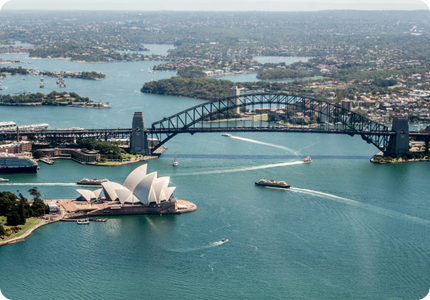
Sydney: Australia’s Largest and Most Iconic City

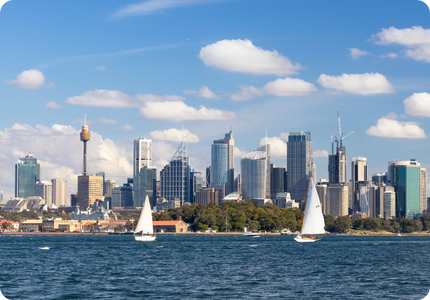
With a population of 4.6 million in 2024, Sydney is Australia’s most populous city, renowned for its stunning coastline and world-famous landmarks like the Sydney Opera House and Sydney Harbour Bridge. The city boasts a thriving job market and a strong economy, especially in finance, technology, and tourism—attracting both locals and international migrants.

Its rich cultural diversity adds vibrancy through global cuisine, festivals, and traditions. While Sydney’s popularity comes with a high cost of living—particularly in housing—its competitive job opportunities, advanced public transport, and quality healthcare continue to make it one of Australia’s most desirable places to live.

Melbourne : เมลเบิร์น

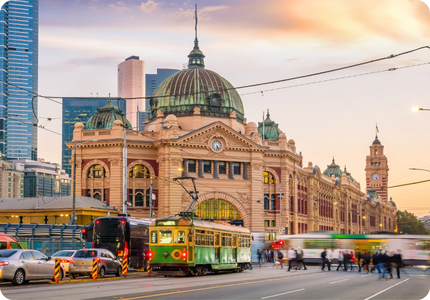
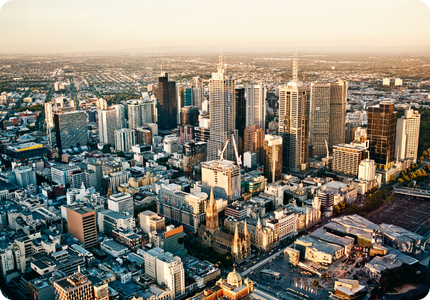
Melbourne: Australia’s Cultural Capital

As the second-largest city in Australia with 4.2 million people in 2024, Melbourne is celebrated for its cultural diversity, vibrant food and music scenes, and world-class events like the Melbourne Cup and Australian Open. Its economy thrives on finance, technology, education, and the arts—making it a global hub for students and professionals alike.
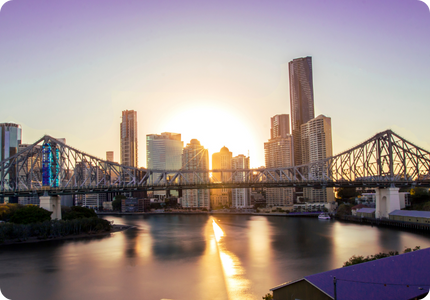
While the cost of living is high, it remains slightly lower than Sydney’s. Melbourne continues to charm with its extensive public transport, rich coffee culture, and abundance of parks, all reflecting the city’s dynamic and multicultural spirit.

Brisbane : บริสเบน

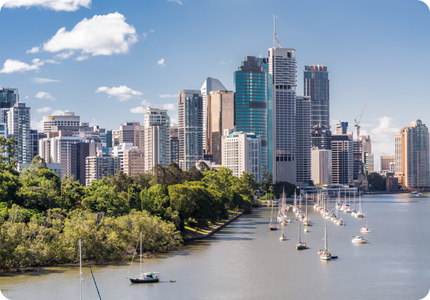
Brisbane: A Laid-Back City on the Rise

Brisbane, Australia’s third-largest city with 2.2 million residents in 2024, is loved for its warm weather, relaxed lifestyle, and easy access to the Sunshine and Gold Coasts. Its strong economy—driven by mining, banking, tourism, and technology—attracts both locals and international professionals.

With a more affordable cost of living than Sydney or Melbourne, especially in housing, Brisbane appeals to families and working individuals. A lively cultural scene, excellent public transport, and multiple universities contribute to a high quality of life, making it an increasingly popular place to live.

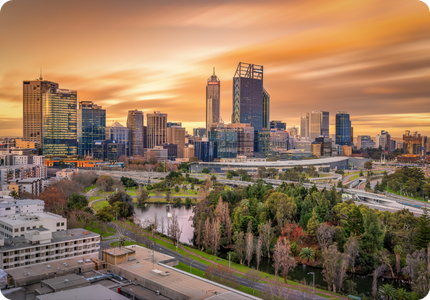
Perth : เพิร์ธ

Perth: Sunny, Spacious, and Full of Opportunity

Perth, the largest city in Western Australia with nearly 1.9 million residents in 2024, is known for its stunning beaches, sunny weather, and expansive parks. Its relaxed vibe and lower cost of living—especially in housing—make it appealing to families and working professionals.
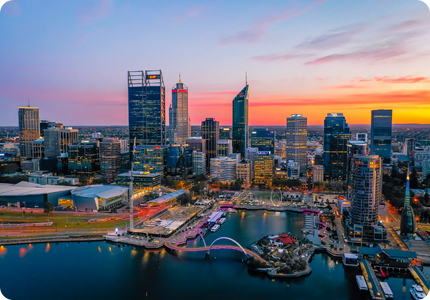
As a key hub for mining, tourism, education, and technology, Perth offers diverse career opportunities. With a Mediterranean climate, vibrant arts scene, and efficient public transport, the city combines quality living with cultural charm and economic promise.

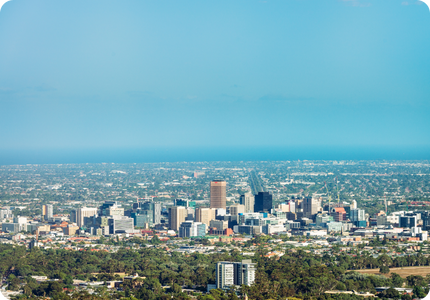
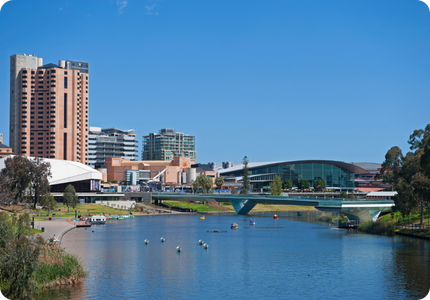
Adelaide : แอดิเลด

Adelaide: Affordable, Artistic, and Wine-Country Close

Adelaide, Australia’s fifth-largest city with 1.2 million people, is known for its lush parks, historic architecture, and vibrant arts scene, hosting major events like the Adelaide Festival. The city thrives in industries such as manufacturing, defense, healthcare, and education, and sits near renowned wine regions like the Barossa Valley.

With a lower cost of living than Sydney and Melbourne, Adelaide appeals to families and retirees. Its Mediterranean climate, community-focused lifestyle, and efficient public transport make it one of Australia’s most livable cities.

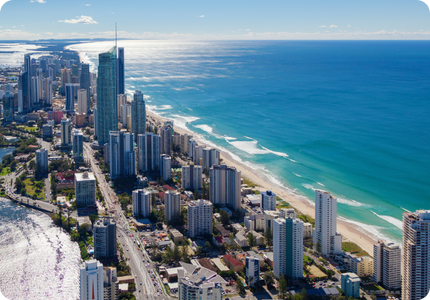
Gold Coast : โกลด์โคสต์

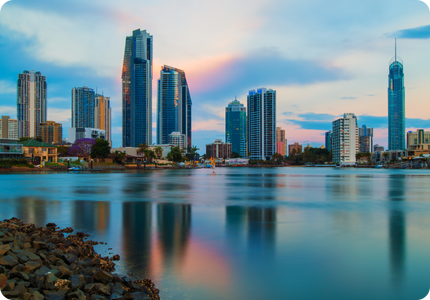
Gold Coast is a coastal city located in Queensland, Australia, with a population of approximately 591,473 people in 2024. It is one of the fastest-growing cities in the country and a popular destination for both domestic and international tourists.

The city is renowned for its beautiful beaches, clear waters, and surf-friendly waves, along with a vibrant nightlife and a wide variety of attractions, such as theme parks like Dreamworld, Warner Bros. Movie World, and Sea World.

The economy of the Gold Coast is driven by tourism, real estate, and the service sector. In recent years, the city has also seen growth in the education sector, particularly through institutions like Griffith University and Bond University, which attract a large number of international students.

Compared to major cities like Sydney and Melbourne, the cost of living in the Gold Coast is relatively affordable, although housing near the coastline tends to be more expensive due to its prime location.

With its subtropical climate, the Gold Coast offers an ideal setting for an outdoor-oriented lifestyle. People can enjoy activities such as swimming, surfing, cycling, and hiking all year round.